|
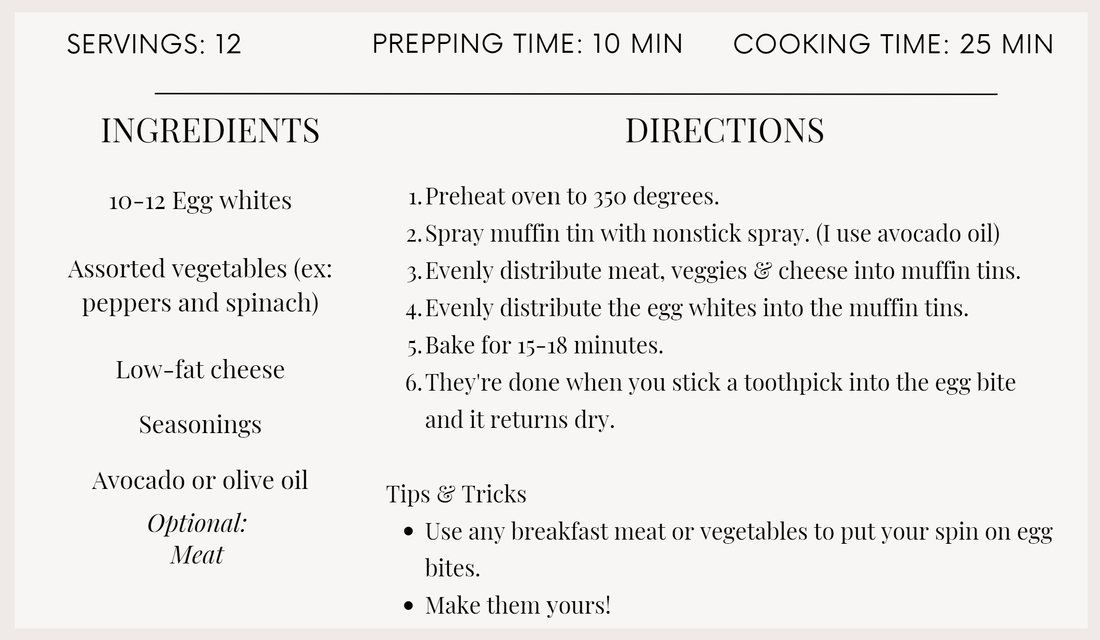
Baked oatmeal squares are one of those breakfasts that make mornings feel calmer. I mix them up in one bowl, bake them in a 9x13, and suddenly we have warm, wholesome breakfasts ready for the week, no drive-thru and no packaged junk. These blueberry oatmeal squares are lightly sweet, hearty, and easy to customize, which makes them perfect for a busy homeschool house. Serve them as-is, or top with Greek yogurt, cottage cheese, and extra berries for a breakfast that truly sticks with everyone until lunch. Ingredients
Dry 6 cups rolled oats (old-fashioned) 2 tsp baking powder 1 1/2 tsp cinnamon 1 tsp fine sea salt Wet 6 large eggs 4 cups milk (or half milk, half water) 1/2 cup melted butter (or melted coconut oil) 1/2 cup maple syrup or honey (see notes for less) 2 tbsp vanilla extract Mix-ins (choose one) Blueberry: 2 cups blueberries (fresh or frozen) Apple-cinnamon: 3 cups peeled diced apples + extra cinnamon Banana: 2–3 mashed ripe bananas (reduce milk by 1/2 cup) Optional (for extra richness) 1/2–1 cup chocolate chips or chopped pecans/walnuts
0 Comments
When winter storms roll in, learning does not need to stop. In fact, snowy days and icy weather offer the perfect opportunity to slow down, observe, and study the natural world right outside our windows.
This Winter Storms Unit Study invites students in grades 3–5 to explore snow, sleet, freezing rain, ice storms, and weather patterns through gentle lessons, hands-on activities, narration, and meaningful written work. Children learn how winter storms form, how they affect people and nature, and how large-scale patterns such as El Niño influence weather across the United States. Designed for stormy days at home, this three-day unit balances science and geography with copywork, coloring and labeling, handicrafts, and map work. The goal is not rushed completion, but thoughtful observation, clear understanding, and steady learning, even when the weather outside feels uncertain. Georgia Standards Alignment (Grades 3–5) This unit aligns with the following Georgia Standards of Excellence (GSE): ScienceS3E1 Students will investigate the physical attributes of rocks and soils and how water and weather impact Earth’s surface. • Observing how ice and precipitation affect land and structures S4E4 Students will analyze weather charts/maps and collect weather data to predict weather events. • Identifying storm movement • Understanding weather patterns • Interpreting maps and storm paths S5E1 Students will identify surface features of the Earth caused by constructive and destructive processes. • Examining ice and weather-related changes • Understanding the impact of storms on the environment English Language ArtsELAGSE3–5W2 Write informative/explanatory texts to examine a topic and convey ideas clearly. ELAGSE3–5L1 & L2 Demonstrate command of standard English grammar, capitalization, punctuation, and spelling through copywork and written narration. ELAGSE3–5SL2 Recount or describe information presented orally through narration and discussion. GeographySS3G1 / SS4G1 / SS5G1 (as applicable) Locate places and describe the physical geography of the United States. • Map labeling • Pacific Ocean identification • State location • Storm movement across regions Slow Cooker White Chicken Parmesan with Pesto Fettuccine: A Cozy Winter Movie Night Dinner1/19/2026 Winter movie nights are some of my favorite evenings at home. After a full day of lessons, chores, and the usual winter shuffle, there is something special about slowing down together with a comforting meal and a classic family movie. This night called for something warm, creamy, and easy. We paired this Slow Cooker White Chicken Parmesan with pesto fettuccine and settled in to watch Jack Frost (1979), a sweet, old-fashioned winter favorite. This is one of those dinners that feels a little special but requires very little hands-on time. The slow cooker does the work while the house fills with the coziest aroma. By dinnertime, the chicken is tender, the sauce is rich without being heavy, and all that’s left to do is boil pasta and gather everyone around the table. Slow Cooker White Chicken Parmesan with Pesto Fettuccini Ingredients Chicken (Slow Cooker) 2 pounds boneless chicken breasts or thighs Salt and pepper 1 teaspoon garlic powder 1 teaspoon Italian seasoning 1½ cups chicken broth ¾ cup half and half 3 tablespoons butter ¾ cup freshly grated parmesan 1 to 1½ cups shredded mozzarella Pasta (Cooked Separately) 1 pound fettuccine Butter Salt Pesto Finish ¼ to ⅓ cup basil pesto Directions 1. Cook the chicken: Place the chicken in the slow cooker in a single layer. Season with salt, pepper, garlic powder, and Italian seasoning. Pour chicken broth and half-and-half over the chicken. Add butter pieces around the chicken. Sprinkle Parmesan evenly over the top. Cover and cook: LOW for 4–5 hours or HIGH for 2½–3 hours The chicken should be tender and reach an internal temperature of 170–175°F. 2. Add cheese: About 30 minutes before serving, sprinkle mozzarella over the chicken. Cover and let melt. If the sauce looks thin, crack the lid slightly for the last 15–20 minutes. 3. Cook the pasta: Boil fettuccine in salted water just before dinner. Drain and toss with butter and salt. 4. Add pesto: Stir pesto into the hot pasta until evenly coated. 5. Serve: Plate pesto fettuccine and top with chicken and white sauce from the slow cooker. Winter Sundays in our home are full in the best way. We start the day at church, come home to warm layers and busy hands, and spend the afternoon helping Dad with chores while the laundry hums in the background. By dinnertime, everyone is hungry and ready to slow down together. That’s when I reach for the Instant Pot. This chuck roast comes together quickly, fills the house with the coziest aroma, and gives us a comforting, nourishing supper without spending the entire day in the kitchen. Simple, dependable, and just right for a winter Sunday.
This is my go-to chuck roast when I need something hearty, comforting, and dependable without spending all day in the kitchen. The Instant Pot makes this roast tender enough to slice or shred, with rich flavor from simple pantry seasonings. Serves: 6–8 Prep Time: 10 minutes Cook Time: About 75 minutes total, including pressure and release Ingredients 3–4 lb chuck roast 1 tablespoon olive oil 1 teaspoon salt ½ teaspoon black pepper 1 teaspoon garlic powder 1 teaspoon onion powder 1 teaspoon dried thyme or rosemary 1 cup beef broth 1 tablespoon Worcestershire sauce Optional: 1 onion, sliced Instructions 1. Season the Roast: Pat the chuck roast dry with paper towels. Season all sides evenly with salt, pepper, garlic powder, onion powder, and dried herbs. 2. Sear the Roast: Turn the Instant Pot to Sauté. Add the olive oil. Once hot, sear the roast for 2–3 minutes per side until nicely browned. This step adds depth of flavor and is worth the few extra minutes. Remove the roast and set it aside briefly. 3. Deglaze the PotPour in the beef broth and Worcestershire sauce. Use a wooden spoon to scrape the bottom of the pot thoroughly, lifting all the browned bits. This prevents a burn notice and adds flavor. 4. Pressure Cook: Return the roast to the pot. Add sliced onions if using. Lock the lid and set to High Pressure for 60 minutes. 5. Release Pressure: Allow a Natural Release for 15 minutes, then carefully quick-release any remaining pressure. 6. Rest and Serve: Remove the roast and let it rest for 10 minutes before slicing or shredding. Serving Notes
US Geography for 5th - 6th Grades: A Gentle, Thorough Year at Soaring Pine Private Academy11/1/2025
This year, our 5th-grade class at Soaring Pine Private Academy will be studying U.S. Geography through a full, thoughtfully paced, 36-week course designed to build understanding, curiosity, and confidence. This is not a rushed overview or a workbook-heavy program. It is a steady walk across the landscape of our country, allowing children to learn about the land they call home. Our U.S. Geography course is structured to allow for short, focused daily lessons, each taking 10–20 minutes. Each lesson introduces one clear idea, followed by narration and gentle discussion. This keeps learning meaningful without overwhelm and leaves room for deeper exploration when curiosity sparks. Throughout the year, students study the physical geography of the United States, including landforms, waterways, climate regions, and natural resources. From there, they move into regional studies, learning how geography shapes culture, industry, agriculture, transportation, and settlement patterns. Rather than memorizing isolated facts, students begin to see how everything fits together. We also explore states, capitals, major cities, landmarks, and national parks, helping children build strong mental maps of the country. Mapping, observation, and comparison are woven in naturally, reinforcing skills without busywork. Later in the year, the focus broadens to include population patterns, migration, industry, trade, urban planning, and environmental stewardship. These topics are presented in a straightforward, age-appropriate way that encourages thoughtful understanding rather than opinion-driven conclusions. Children are invited to think carefully about how people interact with the land and how wise stewardship matters for future generations. Assessment in this course is mastery-based, relying primarily on oral narration, discussion, simple written responses, and optional projects. Weekly projects are offered as extensions, not requirements, allowing families to adapt the work to their child’s interest level and learning style. Above all, this course reflects our belief that geography is a living subject. It connects history, culture, economy, and responsibility in a way that feels real and relevant. By the end of the year, students will not only know where places are on a map, but also understand why people live where they do and how the land shapes life across the United States. Georgia Standards of Excellence Alignment: This U.S. Geography course aligns with the Georgia Standards of Excellence (GSE) for Grade 5 Social Studies, particularly in the areas of geography, civic understanding, and human-environment interaction. Standards addressed throughout the course include: Geographic Understanding
A Living Study of the Land
Geography is not taught here as a list of facts to memorize, but as a living subject that connects history, culture, economy, and responsibility. By the end of the year, students will have developed strong mental maps of the United States and a deeper appreciation for the land and people who shape it. At Soaring Pine Private Academy, we believe learning should be rooted, unhurried, and meaningful. This U.S. Geography unit is one more way we live out our motto: Where nature, nurture, and knowledge grow together. The Salem Witch Trials of 1692 are among the most misunderstood events in early American history. Many children first hear about them through pop culture or spooky tales, but the real story offers a powerful opportunity to learn about truth, justice, and discernment. At Soaring Pine Academy, we love weaving together history, geography, and language arts in meaningful ways that point our children toward biblical understanding. This unit study was born out of my own daughter’s curiosity. She loved the historical setting behind Hocus Pocus, but we wanted to separate the legends from the truth and explore what really happened in Salem. Why Study the Salem Witch Trials? This lesson invites students to step into colonial Massachusetts and discover what life was like in a Puritan village. Through research prompts, map activities, and reflective writing, children begin to understand how fear and misinformation can spread, and how truth, mercy, and justice matter deeply to God and to society. Your child will learn:
Biblical Discernment At the heart of this study is a call to walk in truth. As Proverbs 12:22 reminds us, “The Lord delights in those who speak truth.” And Micah 6:8 challenges us to “Do justly, love mercy, and walk humbly with your God.” Students are gently guided to think critically about fear, justice, and the importance of standing for truth, even when others don’t. What’s Included ✔️ 3-week lesson plan (easily stretched to 4) ✔️ Research prompts for guided notebooking ✔️ Map activities and timeline work ✔️ Reading and writing assignments ✔️ Hands-on crafts and historical cooking ideas ✔️ Optional book list for middle-grade readers ✔️ Scripture copywork and discussion questions Everything is ready to print and place directly into your homeschool binder! Who It’s For This unit was designed for ages 9–12, but it can easily be adapted for family learning with younger or older siblings. It’s perfect for families who value a Charlotte Mason or eclectic homeschool style—rooted in truth, guided by faith, and inspired by curiosity. Bring History to Life Learning about the Salem Witch Trials is not about fear—it’s about faith, truth, and the power of understanding. When our children see history through a biblical lens, they begin to recognize God’s hand in every era and learn how to discern right from wrong. Let’s raise truth-tellers who delight the Lord. Get Your Copy You can download the complete Salem Witch Trials Unit Study today and bring this rich historical lesson to your homeschool table. 📘 Purchase and Download Here: Email [email protected] This coming week, we are opening a new chapter at Soaring Pine Private Academy with our very first Storybook Forest & Tea gathering.
This monthly class is a dream I’ve been piecing together for some time as a way to combine the beauty of nature, the richness of storytelling and poetry, and the creativity of handicrafts, all wrapped in the gentle rhythm of tea time. Our children will gather outdoors, listen to living tales, explore the forest, make something beautiful with their hands, and finish with a moment of reflection and fellowship over tea. Each month has its own theme, woven from the fabric of God’s creation and the seasons here in Northeast Georgia. In September, we begin with the mighty oak and its humble acorn, learning together how small beginnings can grow into something strong and enduring. This is a private homeschool event designed for families in our circle. If you are interested in learning more, please feel free to contact me directly at [email protected]. I look forward to seeing the wonder on our children’s faces as we begin this new adventure. May this be the start of many afternoons spent discovering, creating, and savoring the beauty of the world God has given us. With gratitude, Robin Soaring Pine Private Academy Between golf camp drop-offs and summer camp lunch packing, this mama doesn’t have time for fussy meals. That’s why this hearty homemade Hamburger Helper is my go-to lunch saver! It's packed with protein, cheesy comfort, and enough carbs to keep your kids full through afternoon activities. Bonus? It’s made with pantry staples and comes together in 30 minutes, no boxed mix needed. Whether you’re meal prepping for the week or feeding a house full of hungry kids, this recipe is a must-have in your summer survival rotation. Serves: 8–10 | Prep + Cook Time: 30 minutes Perfect for: Make-ahead lunches, summer camp meal prep, big kid appetites! Ingredients: 2 lbs ground beef 1 small onion, finely diced 3–4 cups dry elbow macaroni 4 cups beef broth 2 cups milk 2 cups shredded cheddar cheese 3 tbsp tomato paste or ketchup (for that classic flavor) 1½ tsp garlic powder 1 tsp onion powder 1 tsp paprika 1 tsp salt (adjust to taste) ½ tsp black pepper Optional: 1 tsp mustard or Worcestershire for depth Instructions:
1. Turn the Instant Pot to Sauté mode. 2. Brown the ground beef (with onions), breaking it up as it cooks. Drain excess grease. 3. Add seasonings, tomato paste, beef broth, milk, and uncooked pasta. Stir well to deglaze and mix. 4. Cancel Sauté, then seal the lid. 5. Set to Pressure Cook to Manual for 4 minutes. 6. Natural release for 5 minutes, then quick release the rest of the pressure. 7. Stir in cheddar cheese and optional sour cream or cream cheese until melted and creamy. Let it sit 5 minutes to thicken before serving or packing into lunch containers. A simple, beautiful way to enjoy summer nature and make something cheerful for a window! Tip: Make it a nature walk activity—collect items together and then create when you get home! Materials:
Directions:
Strawberries are one of the easiest and most rewarding plants to grow with kids. Not only do they produce sweet, juicy fruit, but they also teach children about plant life cycles, reproduction, and stewardship of the garden. One of the simplest ways to multiply your strawberry patch is by propagating runners, and it’s the perfect summer handicraft lesson for your homeschool or garden unit study.
What is a Strawberry Runner? If you’ve ever grown strawberries, you’ve noticed long stems stretching out from the main plant. These are called runners or stolons. Each runner produces a tiny “baby plant” at its end. In nature, when the baby touches the soil, it begins to grow roots and eventually becomes an independent strawberry plant. Why Teach This as a Handicraft Lesson? Propagating strawberries:
How to Do It The process is simple and doesn’t require fancy equipment:
Try This with Your Kids This Week! This is a great activity to pair with garden journaling, strawberry-themed copywork, or botany studies. Plus, what child wouldn’t love knowing they grew their snack? Download the Full Lesson Plan I’ve created a printable lesson plan with step-by-step instructions, supply list, observation questions, and extension ideas for your homeschool unit studies. Download it below to add to your summer garden, nature, or handicraft binder. |
Under the Pines: Education & Everyday LifeInsights from Soaring Pine Private Academy: Homeschooling, Homemaking, and Holistic Learning.
Archives
February 2026
Categories
All
|


RSS Feed