|
Strawberries are one of the easiest and most rewarding plants to grow with kids. Not only do they produce sweet, juicy fruit, but they also teach children about plant life cycles, reproduction, and stewardship of the garden. One of the simplest ways to multiply your strawberry patch is by propagating runners, and it’s the perfect summer handicraft lesson for your homeschool or garden unit study.
What is a Strawberry Runner? If you’ve ever grown strawberries, you’ve noticed long stems stretching out from the main plant. These are called runners or stolons. Each runner produces a tiny “baby plant” at its end. In nature, when the baby touches the soil, it begins to grow roots and eventually becomes an independent strawberry plant. Why Teach This as a Handicraft Lesson? Propagating strawberries:
How to Do It The process is simple and doesn’t require fancy equipment:
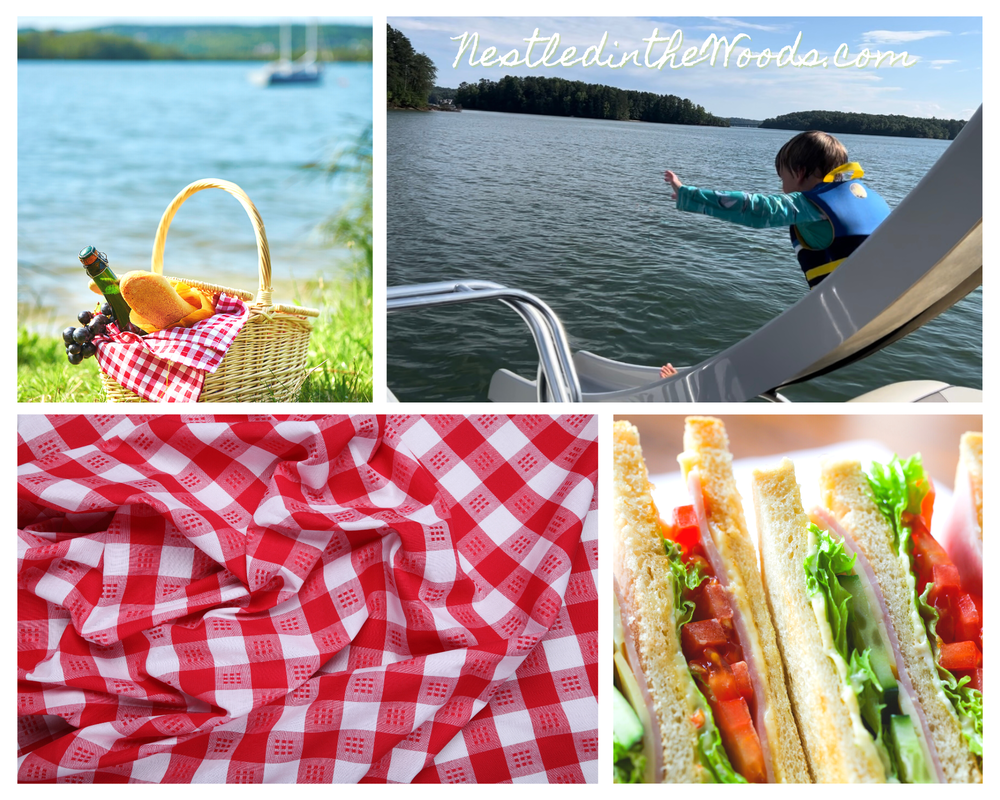
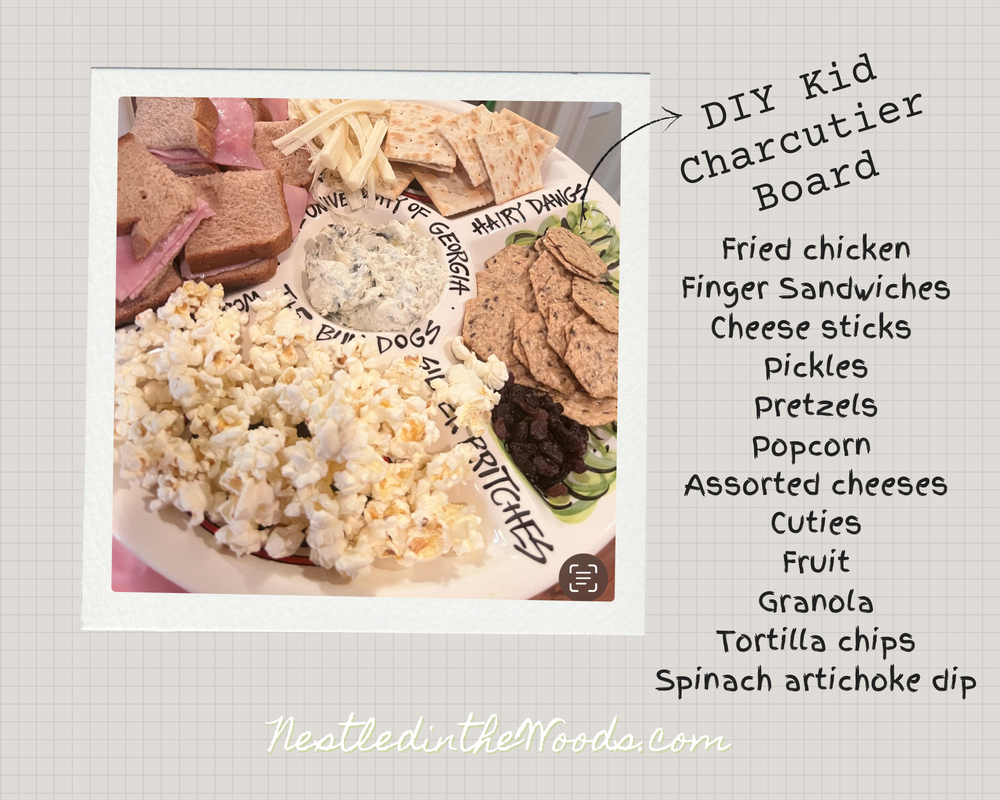
Try This with Your Kids This Week! This is a great activity to pair with garden journaling, strawberry-themed copywork, or botany studies. Plus, what child wouldn’t love knowing they grew their snack? Download the Full Lesson Plan I’ve created a printable lesson plan with step-by-step instructions, supply list, observation questions, and extension ideas for your homeschool unit studies. Download it below to add to your summer garden, nature, or handicraft binder. There’s something magical about creek days. The splash of cool water, the thrill of finding a critter beneath a rock, and the spark of curiosity in our children’s eyes. As homeschool moms, we have the flexibility to turn these moments into rich learning experiences. One of our favorite spring science studies is a Creek Play Day focused on macroinvertebrates the tiny, backbone-free creatures that call the creek home. What Are Macroinvertebrates (And Why Do They Matter)? Macroinvertebrates are animals without backbones that are large enough to be seen without a microscope. You’ve probably met a few already: crawfish, snails, and water striders are just the beginning! These creatures aren’t just fun to find they’re also bioindicators. That means their presence (or absence) helps us understand the health of our local waterways. Studying them gives kids a real-life connection to environmental science. For a complete lesson plan on this activity, click here! One of the best benefits of living in a lake community is that you get a share of the many beautiful places to have a good time with your friends and family. Picnics have become quite an old-school tradition since technology dominates our lives. Whether you have a picnic on the lake or at a park, seize the next sunny day. Essential #1: Location First, find a park in Gainesville/Hall County or an area on Lake Lanier that will make you go outdoors with your family and spend quality time away from technology. My favorite memories about growing up on Lake Lanier always revolved around family and food. We always found a quiet cove on my parent's pontoon to enjoy a delicious picnic. Making memories on the lake with my family now is priceless. Essential #2: Picnic Blanket Find a picnic blanket with a waterproof lining and an easy-carrying handle once rolled up. Essential #4: Convenient Food Grab some healthy picnic meals from Costco or Sam's Club that are a perfect addition to your picnic. Some of my favorites are rolled sandwiches, cilantro lime shrimp, chicken salad, large spinach, or Romaine salad. Add all your favorite toppings and divide into glass mason jars or make-ahead meal containers. Kid-inspired charcuterie boards are always a big hit in my family. Start by filling a veggie tray with all sorts of finger foods that the kids will enjoy: deli sandwiches, fried chicken legs, cheese sticks, pickles, pretzels, crackers, popcorn, assorted cheeses, cuties, and a dip they all love. They will devour whatever you put in front of them almost like a competition! |
Under the Pines: Education & Everyday LifeInsights from Soaring Pine Private Academy: Homeschooling, Homemaking, and Holistic Learning.
Archives
January 2026
Categories
All
|


RSS Feed